"In a small town, when something breaks down, you don't wait around for a new part, because it's not coming. You make it yourself."
- Robert Noyce
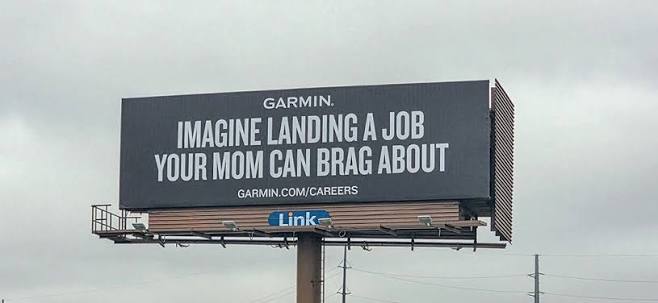
There is a billboard on I-35 I occasionally drive by near the Garmin campus in Olathe. The tagline: "Imagine landing a job your mom can brag about." It is recruiting engineers from the region, think Kansas State or my alma mater Iowa State, and as it goes there are something like 4,000+ Garmin jobs in this KC metro area. I think this sentiment is pretty real (you’d be happy to see your college grad work at Garmin for a few years) and a more wholesome image than you typically expect from a publicly traded tech company.
Garmin makes gadgets people use to do things outdoors. These include running watches and bike computers. Marine sonar (find where the fish are) and chartplotters for boats. Cockpit systems for airplanes. You will recall the original car GPS units that made them famous, they still make and sell them (despite the alternatives that threatened to disrupt the company in the ‘software is eating the world’ era of the 2010s).
Garmin is in our compounder bucket. Similar to a Heico or a Deere, it’s the sort of position I would hope to still own in ten years. I started buying it for client accounts in November 2023 around $120 a share. Your cost basis will differ depending on when you came aboard, added funds, and so forth.
We own Garmin because it looks like the kind of company possibly still here in 20-30 years, quietly making things for people who want to ‘touch grass’ while the world goes more digital.
-modified.png)
Andrew Flattery is a CERTIFIED FINANCIAL PLANNER™ and Principal of Flattery Wealth Management. He serves affluent families in Kansas City and nationwide. Flattery is the host of Gentleman Speculator, a podcast on legacy, investing, and the life well-lived. When he’s not helping individuals build wealth, you can catch him playing rec sports, writing children's books, and spending time with his wife and four children.


